
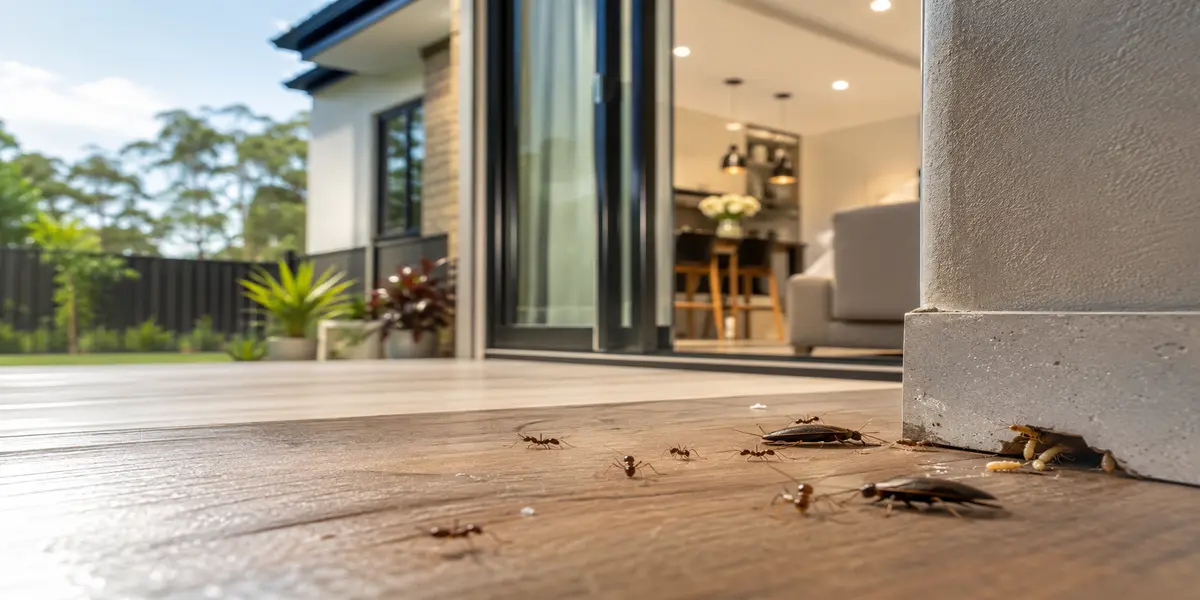
You clean on the regular, wipe down those kitchen counters and keep the house clean and still ants somehow find their way to the pantry, cockroaches scurry into the laundry or rodents make a racket on the roof at night. If this rings true for you, you’re in good company. Pest problems are on the rise for Australian homeowners and it’s not just your imagination.
Many people think that pests only get into the homes of people who don’t take care of them, but that is not true. Warmth Modern homes provide warmth, shelter and moisture, as well as easy access to food to a wide range of insects and rodents. At the same time, climate change and rapid urbanization are driving pests home. An increased understanding of why pests are pushed upstream can help prevent infestations before they become too luxurious to treat.
With the right expert treatments, along with good home care, you can protect your family, your private home, and your peace of mind.
Table of Contents
Climate Changes Encourage Pests
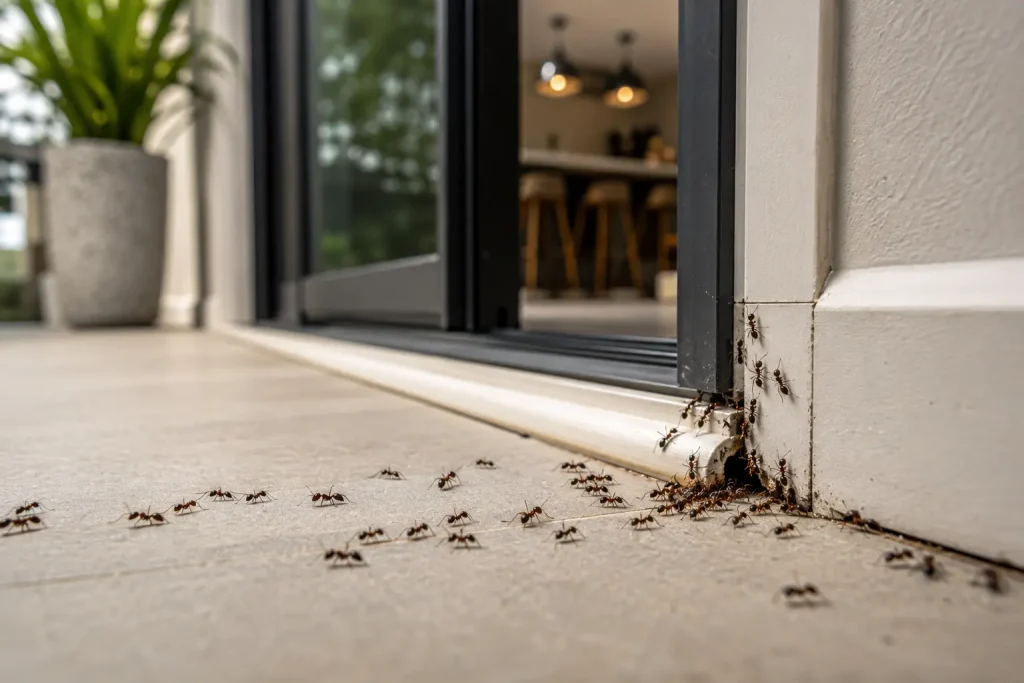
There has been a major change in the climate in Australia lately. Many pests find the extended summer, warm winter temperatures and heavy rains as perfect conditions for their rapid growth and reproduction. Cold isn’t enough to stop the life cycles of insects like ants, cockroaches, mosquitoes, and termites which are now alive for longer stretches of time.
They don’t just disappear in the winter as most of them keep on looking for food and shelter all year round. When it rains heavily, the problems caused do not end there. Flooded tunnels and highly moistened ground force insects and rodents to leave their natural environments and invade houses. Once they have a warm one with food and water, they usually stay.
Urban Development Displaces Wildlife
The expanding suburbs of Australia have converted vast areas of natural land into housing estates. New housing may offer more windows for people to live in but it also takes away the natural homes of the tiny insects and animals it once hosted. Termites, rodents, spiders and other pests must leave when bushland is cleared for development. Neighboring dwellings are rapidly turned into magnets for these insects because they contain all the nutritional needs of the pests. Work on buildings can also disrupt termite and rodent colonies underground. For this reason, pest experts say homes near new development typically report a surge in pest activity not long after construction kicks off.
Modern Homes Create Shelter
The homes today are built for more comfort and less energy bills. Good insulation combined with windows that have been sealed and a roof space that is enclosed would be the features that will help most to keep the house warm during winter and cool during summer. These features, for one thing, increase the value of the home, but then again, they also offer perfect hiding spots for pests.
Heat and moisture may get stuck in roof spaces, wall cavities, storerooms, garages and under-floor areas even in the most extreme conditions. Cockroaches, rats, spiders, and termites can all find their way into these dark areas causing no one to see them for months. Moisture from cooking areas, bathrooms and washing areas also makes these places more attractive, allowing pests to live comfortably inside modern homes.
Common Household Conditions That Attract Pests
| Household Condition | Common Pests | Prevention Advice |
| Food crumbs and spills | Ants, cockroaches | Clean surfaces after every meal |
| Standing water | Mosquitoes | Empty containers after rain |
| Damp timber | Termites | Repair leaks immediately |
| Roof cavities | Rats and mice | Seal entry points and inspect regularly |
| Overgrown gardens | Spiders, rodents | Trim vegetation away from the house |
Food And Moisture Invite Infestations
One of the main causes of pest problems is that people nowadays tend to offer food and water very easily to pests. Just one morsel lost under the fridge, an unsealed pack in the pantry, leftover pet food outside all night, or the garbage bins waiting to be taken out can be a great source of attraction for insects. Pests, once they find a dependable food source, will keep coming and in many cases, they will bring a whole colony with them. Water is also very important.
Leaking taps, blocked gutters, poor drainage and damp bathrooms are some of the many conditions household pests love. Termites, for example, look for places with wet wood while cockroaches and silverfish can be found in humid places. Just by doing some small household fixes like fixing the leaks, allowing fresh air to circulate and properly storing food one can nearly remove all chances of a pest problem developing.
Gardens Need Regular Care
A lovely garden increases a property’s worth, Though if ignored it could become the perfect hiding place for unwanted guests. Dense bushes grown beside the house walls make it pretty easy for bugs to reach the windows and roof. A dense mulch layer close to the foundation may provide termites with a hiding place. But, rodents and spiders set up their homes in leaf piles, stacked firewood, and dropped fruits. And decorating your home, a neat garden can act as a barrier to pests as well.
Anyone aiming to maintain a cleaner landscape can explore seasonal pest management tips for practical prevention ideas throughout the year. One of the simplest and most efficient methods of pest control is to keep the areas around the building’s foundation free and clear.
Small Gaps Cause Big Issues
Many people do not understand how easy it is for pests to get into your house. Even small gaps around window frames, door frames, plumbing and air ducts are potential entry points for unwanted visitors. Mice and rats are capable of getting through ridiculously small openings, and ants are even able to enter a kitchen or pantry through the smallest of cracks. Torn flyscreens, loose roof tiles and creaky weather seals also contribute to the chances of a pest invasion. Routine monitoring and sealing your home’s exterior can stop many pest problems before they even start. Preventative treatment costs a lot less than treatment for a larger infestation down the road.
Simple Pest Prevention Checklist
| Maintenance Task | Recommended Frequency |
| Empty rubbish bins | Daily |
| Clean kitchen surfaces | Daily |
| Check for plumbing leaks | Monthly |
| Trim garden vegetation | Monthly |
| Inspect roof and gutters | Every three months |
| Seal cracks and gaps | As required |
| Arrange professional pest inspection | Once every year |
Professional Help Makes Difference
Effective sanitation is the key to killing off pests Still the pests could still be hiding and not visible at the moment. There are some pests like rodents and termites that tend to be hidden and remain unnoticed. Only a lot of damage can be the proof for their presence. Professional inspections detect issues in the early stages and offer specific treatments to the type of pest that is invading your home.
A professional pest control company is the one that is most recommended to treat your house. They are probably going to offer you long term solutions to reduce the chances of re-infestations and not only deal with the visible pests. Routine pest scans are especially important for Australian homes in close proximity to bushland, construction sites, or established termite areas.
Conclusion
The rise in pest challenges faced by Australian homes is not due to one single contributing factor. Climate change, urban development, moisture, modern building designs and easy access to foods are promoting increased pest activity. These conditions can pose an infestation on even a completely clean home. However, avoiding infestations will be much easier than treating them. Pest control is made up of homecare, timely repairs, careful gardening and annual inspections.
Together with proven pest control treatments, these simple preventative efforts can help you safeguard your home and maintain your property’s value while giving your family a healthier place to live every season of the year. Those interested in broader property maintenance can also explore when to schedule residential pressure washing services to help keep outdoor areas cleaner and less inviting to pests.